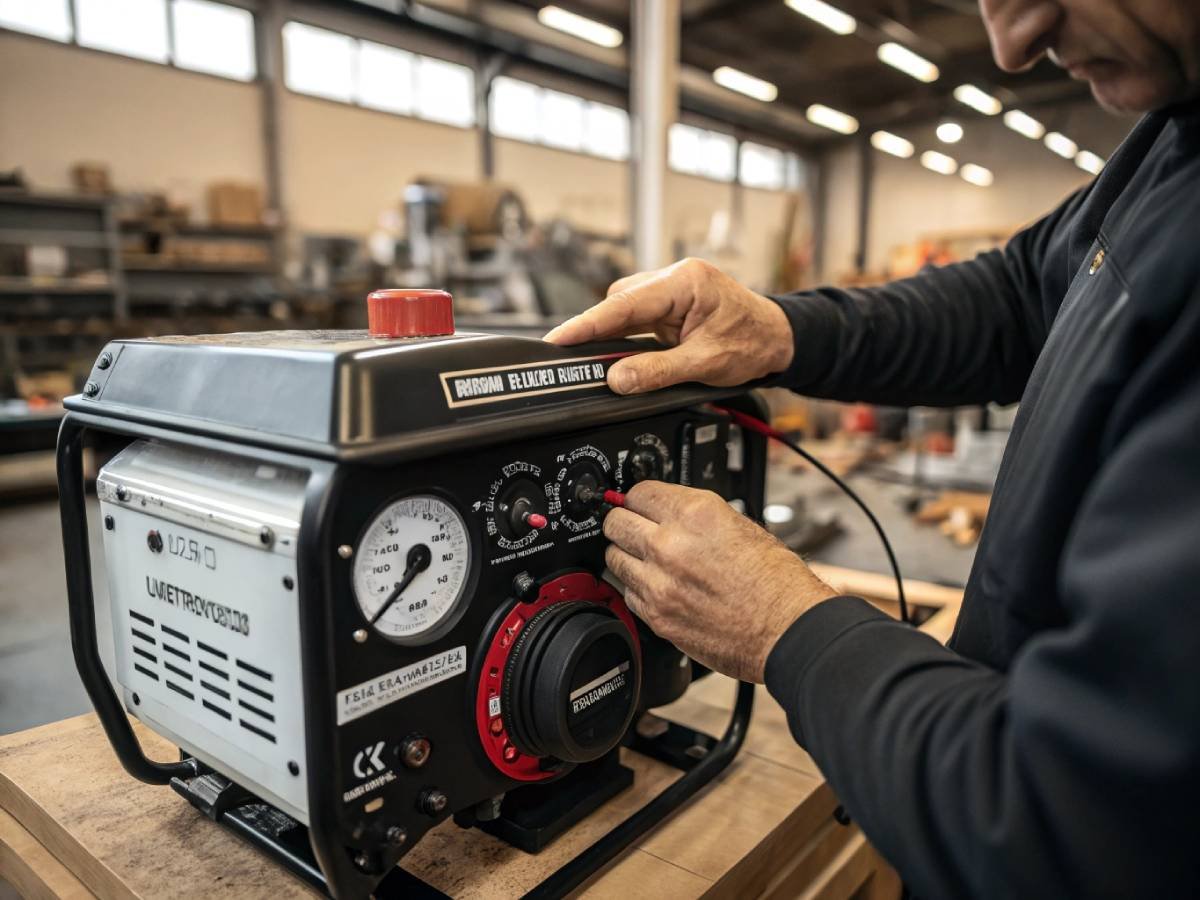
Few things are more frustrating than needing power and having your inverter generator sputter or fail. These compact workhorses are incredible, but they're not set-it-and-forget-it machines. Understanding the basics of Maintenance & Troubleshooting for Inverter Generators isn't just about saving money on repairs; it's about ensuring reliable power when you need it most, whether it's for a remote campsite, a worksite, or during a critical power outage.
Inverter generators stand out for their clean power and fuel efficiency, but their sophisticated electronics and compact design demand a bit of regular care to keep them purring. Think of it as a small investment of your time that pays off huge in reliability and peace of mind.
At a Glance: Your Inverter Generator Maintenance & Troubleshooting Quick Guide
- Routine Checks are Key: Regularly inspect oil, air filter, and spark plug for optimal performance.
- Fuel Matters: Always use fresh fuel, and stabilize it for storage to prevent costly carburetor issues.
- Monthly Warm-Ups: Run your generator for 10-15 minutes monthly with a light load to keep internal components lubricated and clean.
- Spot the Signs Early: Pay attention to unusual noises, starting difficulties, or fluctuating power output.
- Troubleshoot Systematically: If you lose power, check fuel, circuit breakers, and test output voltage before calling a pro.
- Proper Storage: Drain fuel or run dry for long-term storage to prevent corrosion and varnish.
Why Your Inverter Generator Craves Attention
An inverter generator isn't just a convenience; it's often a lifeline. Consistent maintenance is the secret sauce to its longevity and peak performance. Neglecting it invites a host of problems, from hard starts to complete failure, usually right when you need it most. By staying on top of its needs, you unlock several critical benefits:
- Extended Engine Life: Regular oil changes and clean filters reduce wear and tear, allowing the engine to run smoother for longer.
- Stable, Clean Power Output: This is crucial for protecting your sensitive electronics. Well-maintained generators deliver consistent voltage and frequency.
- Improved Fuel Efficiency: A clean air filter and properly maintained spark plug ensure efficient combustion, meaning you get more runtime from every gallon of fuel.
- Reduced Noise Levels: A generator running optimally operates quieter. Unusual noises can often be a symptom of a deeper issue.
- Lower Risk of Costly Failures: Small, inexpensive maintenance tasks prevent larger, more expensive repairs down the line. Catching an issue early saves both headaches and your wallet.
Ultimately, a well-cared-for inverter generator provides reliable power, year after year, protecting both your electronics and your investment.
The Inverter Generator's Pit Stop: Essential Maintenance You Can Do
Your inverter generator is a marvel of engineering, but it still relies on fundamental mechanical principles. A few simple, regular tasks can dramatically improve its lifespan and reliability.
Fueling Your Generator Right: The Lifeblood of Performance
Fuel is often the most overlooked component of generator maintenance, yet it's frequently the culprit behind performance issues.
- Always Use Fresh Fuel: Gasoline begins to degrade rapidly, often within 30 days, especially if it contains ethanol. Stale fuel can gum up the carburetor, making starting difficult or impossible. If you're pondering [selecting the right inverter generator for your needs], remember that fuel quality applies to all models.
- Embrace Fuel Stabilizer for Storage: For seasonal use or long-term storage, always add a high-quality fuel stabilizer to your gasoline. This prevents varnish formation, corrosion, and keeps the fuel fresh for much longer. Check out articles on [the best fuel stabilizers for generator longevity] for recommendations.
- The Monthly Run — Your Generator's Workout: Even with stabilized fuel, it's vital to run your generator for 10–15 minutes each month. Hook up a light, steady load (like a few light bulbs) and engage ECO mode if available. This circulates oil, prevents internal corrosion, keeps seals lubricated, and ensures the carburetor doesn't get clogged from sitting.
Breathing Easy: Air Filter Care
An engine needs clean air for efficient combustion. A clogged or dirty air filter chokes the engine, leading to reduced power, increased fuel consumption, and potential damage.
- Check Regularly: Clean the air filter after every major trip or use, especially in dusty environments like construction sites or campgrounds.
- Clean or Replace: Most air filters can be gently cleaned with soap and water, allowed to air dry completely, or by tapping out loose debris. Replace it when it appears worn, torn, or excessively saturated with dirt that won't come clean. This ensures the engine gets a consistent supply of clean air, which is also critical for [how to properly size your generator's wattage] calculations since performance directly relates to clean airflow.
The Heartbeat: Spark Plug Inspections
The spark plug provides the crucial spark that ignites the fuel-air mixture. A worn or fouled plug leads to a host of problems.
- Inspect Periodically: Check your spark plug roughly every 100 hours of operation or annually.
- Look for Trouble Signs: Remove the plug and inspect the electrodes for wear, carbon buildup, or excessive oil fouling. A healthy plug typically has a light tan or grayish-brown deposit.
- Replace When Needed: If the plug is heavily fouled, corroded, or the electrode is significantly worn, replace it with the manufacturer-specified type. A clean, properly gapped spark plug ensures easy starting, a smooth idle, and efficient fuel consumption.
Smooth Operator: Engine Oil Checks & Changes
Engine oil is the lifeblood of your generator, lubricating moving parts and dissipating heat.
- Check Frequently: Always check the oil level before each use, or every 20–30 hours of operation, especially on newer generators that are still breaking in. Low oil levels can trigger the low-oil shutdown, preventing the generator from starting or running.
- Change Periodically: Replace the engine oil every 50–100 hours or at least once per season, whichever comes first. Refer to your owner's manual for exact intervals and the recommended oil type (typically SAE 10W-30). Clean, fresh oil is paramount for a long engine life.
Sparkling Clean: Exterior & Cooling
While often overlooked, keeping the exterior clean prevents problems and ensures efficient cooling.
- Wipe Down the Casing: Regularly wipe down the generator's casing to remove dust, dirt, and debris.
- Clear Cooling Vents: Critically, ensure all cooling vents are free from obstructions. Leaves, grass, dirt, or even spiderwebs can restrict airflow, leading to overheating, especially in compact inverter designs. Overheating can cause internal components, including the sensitive inverter board, to fail prematurely.
Power Down: Smart Storage Strategies
Proper storage is paramount for preventing long-term issues, especially if your generator will sit unused for an extended period.
- Drain or Run Dry (Gasoline): For gasoline models, either drain the fuel tank completely and run the carburetor dry (letting the engine run until it stalls from lack of fuel), or add fuel stabilizer and perform the monthly run. Running it dry prevents stale fuel from gumming up the carburetor.
- Disconnect Ignition: For added safety and to prevent accidental starting, disconnect the spark plug wire from the spark plug.
- Optimal Environment: Store your generator in a cool, dry location, ideally covered with a breathable generator cover. This protects it from dust, moisture, and pests without trapping humidity.
Dual-Fuel Deep Dive: Keeping LPG Models Running Smoothly
If you own a dual-fuel inverter generator, you enjoy the flexibility of using either gasoline or propane. While propane offers a cleaner burn and doesn't degrade like gasoline, its specific components require their own maintenance checks. Understanding [the advantages of dual-fuel models] is great, but knowing how to maintain them is even better.
- Inspect Hose Connections and Seals: Regularly check the propane hose connections and seals for any signs of wear, cracks, or looseness. Tight connections are critical for safety and efficiency.
- Regulator Connection: Ensure the propane regulator is securely connected to both the tank and the generator. A loose connection can lead to leaks or inconsistent fuel supply.
- Tank Storage: Always store propane tanks upright and secured in a well-ventilated area, away from direct sunlight or heat sources. Never store propane tanks indoors.
- Leak Detection: Before each use, especially after connecting a new tank, perform a leak test using soapy water. Apply a mixture of dish soap and water to all fittings and connections. If you see bubbles forming, you have a leak that needs immediate attention.
Decoding Your Generator's Distress Signals
Your inverter generator often communicates its needs before a full-blown failure. Paying attention to these subtle (and not-so-subtle) signs can save you from a major breakdown.
- Difficulty Starting: If it takes multiple pulls or cranks to get started, or if it won't start at all, it's a clear sign something's amiss. Common culprits include stale fuel, a dirty spark plug, or a clogged air filter.
- Unusual Noise or Vibration: A healthy inverter generator should hum along smoothly. Any new knocking, rattling, sputtering, or excessive vibration indicates a problem with the engine, exhaust, or internal components.
- Higher Fuel Consumption: If you're suddenly refilling the tank more often for the same load, it could point to an inefficient engine, often due to a dirty air filter, fouled spark plug, or carburetor issues.
- Uneven or Fluctuating Power Output: This is a serious concern, especially with sensitive electronics. If your lights flicker, or appliances seem to struggle, the generator may be struggling to maintain consistent voltage or frequency. This could indicate a problem with the inverter board or engine regulation.
- Visible Smoke or Exhaust Changes: Different smoke colors tell different stories:
- Blue smoke: Burning oil, often due to worn piston rings or seals.
- White smoke: Often condensation, especially on a cold start, but persistent white smoke could indicate a head gasket issue or water in the fuel.
- Black smoke: Too much fuel or not enough air, typically from a dirty air filter or carburetor issue.
- Warning Lights on the Control Panel: Modern inverter generators often have indicator lights for low oil, overload, or other system warnings. Consult your manual immediately if any of these illuminate.
Addressing these signs early prevents minor issues from escalating into expensive repairs or complete generator failure during critical use.
The Silent Crisis: When Your Generator Runs But Gives No Power
One of the most perplexing issues is when your inverter generator starts, runs smoothly, but then fails to deliver power to your connected devices. It's frustrating because the engine seems fine, yet your appliances remain lifeless. Fortunately, this problem often has common, identifiable causes and troubleshooting steps.
Common Culprits Behind "No Power Output"
Before you panic, consider these typical reasons for a running generator with no power:
- Fuel System Issues: While the engine runs, insufficient or contaminated fuel can prevent it from reaching full power output, which is needed to generate the correct voltage. This includes low fuel, old/degraded fuel (especially gasoline older than 30 days), or a partially clogged fuel filter restricting flow.
- Electrical Connection Failures: This category encompasses everything from the physical connection to the generator's internal wiring.
- Damaged Power Cords/Plugs: Frayed cords, bent prongs, or poor-quality extension cords can't transmit power effectively.
- Insecure Connections: Loose connections at the generator's outlet or the appliance's plug can cause voltage drops.
- Tripped Circuit Breakers: The most common electrical issue. Generators have circuit breakers to protect against overloads.
- Internal Component Malfunctions: These are more complex but can manifest as a lack of power.
- Faulty Wiring: Internal wiring might be damaged or loose.
- Alternator Issues: The component that generates raw AC power might be failing.
- Inverter Circuit Failure: Specific to inverter generators, this sensitive board converts the raw AC into stable, clean power. If it malfunctions, no clean power will be outputted.
Your Troubleshooting Toolkit: Step-by-Step Guide
When your generator runs but delivers no power, tackle the problem systematically.
- Check Fuel Levels and Quality (Again):
- Ensure Sufficient Fuel: It might sound obvious, but verify the tank has enough fresh fuel.
- Fuel Age Check: If you're using gasoline, ensure it's not older than 30 days or that a stabilizer was used. Old fuel can cause the engine to run weakly, preventing it from producing adequate power. Refill with fresh, clean fuel if in doubt.
- Inspect Circuit Breakers and Fuses:
- Locate Breakers: Your generator will have one or more circuit breakers, typically small switches or buttons on the control panel near the outlets.
- Reset Tripped Breakers: If a breaker is tripped, it will typically be in the 'OFF' position or pop out. Flip it firmly to the 'ON' position or push it back in until it clicks. Avoid immediately reconnecting the overloaded device; investigate why it tripped.
- Check Fuses (if applicable): Some generators may have internal fuses. Consult your manual to locate and inspect them. Replace any blown fuses with a fuse of the exact same rating.
- Test Output Voltage with a Multimeter:
- Safety First: Ensure the generator is running, but disconnect any appliances before testing.
- Set Multimeter: Set your multimeter to AC voltage (V~ or VAC) and choose a range appropriate for your generator (e.g., 200V or 750V).
- Test Outlets: Insert the multimeter probes into the generator's 120V AC outlets.
- Interpret Readings: A healthy 120V outlet should read between 110-125V. For a 240V outlet, expect 220-250V. If the reading is significantly below specifications (e.g., 0V or a very low, fluctuating voltage), it indicates a definite power output issue that likely requires professional repair or servicing. Learning [how to test your generator's output with a multimeter] is a valuable skill for any generator owner.
Beyond the Fix: Smart Usage for Longevity
Proper usage isn't just about getting power; it's about making that power last, ensuring your generator remains a reliable companion for years.
- Capacity Awareness: Don't Overload: Every generator has a rated wattage output (running watts and peak/starting watts). Always operate your generator within these limits. Overloading stresses the engine and electrical components, shortening their lifespan and potentially tripping breakers. Before connecting, understand [how to properly size your generator's wattage] for your needs.
- Even Load Distribution: If your generator has multiple outlets, try to distribute your connected devices evenly across them. Concentrating too much load on a single outlet can lead to overheating or localized stress, even if the overall generator capacity isn't exceeded.
- Gradual Load Introduction: When starting your generator, allow it to warm up for a minute or two before connecting any devices. Then, connect appliances one by one, starting with smaller devices and gradually adding larger ones. This prevents sudden surges that can stress the inverter and engine.
- Disconnect Unused Equipment: Once your phone is charged or the power tool is no longer needed, turn it off and disconnect it from the generator. This reduces the overall load, conserves fuel, and prolongs the generator's runtime and component life.
- Opt for Energy-Efficient Appliances: Whenever possible, use energy-efficient appliances. They draw less power, allowing your generator to run more devices or run longer on the same amount of fuel, without being pushed to its limits.
When to Call in the Pros: Recognizing Your Limits
While much of inverter generator maintenance and troubleshooting is DIY-friendly, there are times when professional assistance is not just recommended, but essential. Don't hesitate to seek expert help for:
- Internal Generator Failures: Issues like a faulty alternator, a failing inverter board, or deep-seated engine problems typically require specialized tools, diagnostic equipment, and expertise.
- Complex Electrical Faults: If your multimeter shows no output and you've checked all the simple fixes (fuel, breakers), it could be an internal wiring problem or a component failure that's beyond basic troubleshooting.
- Persistent Strange Noises or Excessive Vibrations: While you can often identify the type of noise (e.g., knocking), diagnosing its precise source and repairing it safely requires a trained technician.
- Error Codes You Can't Resolve: Many modern inverter generators display error codes. If your manual's troubleshooting steps don't fix the issue, a professional can interpret the code and perform the necessary repairs.
- Warranty Concerns: Always familiarize yourself with your generator's warranty terms. Attempting complex repairs yourself might void your warranty. Manufacturers often provide robust support for diagnostics and repairs, potentially saving you significant time and money. For any generator, always keep [essential generator safety tips] in mind, especially when troubleshooting or repairing.
Your Proactive Maintenance Checklist: Keeping Your Power On
Making maintenance a routine keeps your inverter generator ready for action. Here's a practical checklist to integrate into your schedule:
| Maintenance Task | Frequency | What to Do | Why It Matters |
|---|---|---|---|
| Engine Oil | Every 50 hours / Annually | Check before each use; replace per schedule. | Lubricates moving parts, prevents wear. |
| Air Filter | Monthly / After dusty use | Inspect for dirt/debris; clean or replace as needed. | Ensures clean combustion, prevents engine strain. |
| Spark Plug | Every 100 hours / Annually | Inspect for wear/fouling; clean or replace. | Ensures easy starting, efficient fuel burn. |
| Fuel System | Before & After Each Use | Use fresh fuel. Add stabilizer for storage. | Prevents carburetor clogs, ensures reliable starts. |
| Monthly Run | Monthly | Run 10-15 min with light load, ECO mode. | Protects seals, prevents corrosion, keeps fuel system active. |
| Exterior Cleanliness | Regularly | Wipe casing, clear cooling vents. | Prevents overheating, prolongs component life. |
| Proper Storage | Before long-term storage | Drain fuel (gas) or run dry; disconnect spark plug; cover; store in cool, dry place. | Prevents corrosion, varnish, moisture damage. |
| Dual-Fuel Checks | Before each propane use | Inspect propane hoses, regulator, connections for leaks (soapy water). | Ensures safe, efficient propane operation. |
| Battery (if applicable) | Monthly / Before storage | Check charge, clean terminals if corrosion is present. | Ensures reliable electric start. |
Keeping Your Power On, Always
Your inverter generator is an investment in convenience, comfort, and security. By dedicating a small amount of time to its regular maintenance, you're not just preserving a piece of equipment; you're safeguarding your ability to power what matters most. Whether you're planning your next camping adventure, preparing for storm season, or just want the peace of mind that comes with reliable backup power, taking these steps will ensure your generator is ready when you are.
For those looking to upgrade or add to their power arsenal, remember that a properly maintained generator is always the best kind. You can Shop inverter generators for sale and find models that fit your specific maintenance needs and usage patterns.