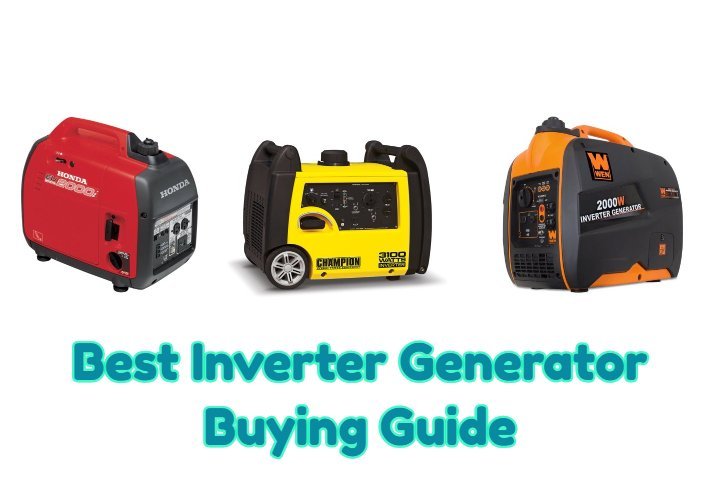
The hum of a generator can be a real buzzkill, whether you're camping under the stars, tailgating before the big game, or just trying to keep essential appliances running during a power outage. If you’ve been dreaming of portable power that whispers instead of roars, delivers pristine electricity, and won't guzzle fuel, then you're in the right place. This Inverter Generator Buying Guide & Deals will cut through the noise, helping you understand why these modern marvels are a game-changer and how to find the perfect one for your needs without breaking the bank.
Forget the days of bulky, loud, and inefficient power sources. Today's inverter generators offer a sophisticated solution, providing stable power for everything from sensitive electronics to small appliances, all while being remarkably quiet and portable. Let's dive into what makes them special.
At a Glance: Why Inverter Generators Are a Smart Choice
- Whisper-Quiet Operation: Much quieter than traditional generators, letting you enjoy peace and quiet.
- Clean, Stable Power: Safely power sensitive electronics like laptops, phones, and TVs without risk of damage.
- Fuel Efficient: Engine speed adjusts to demand, saving fuel and cutting operating costs.
- Highly Portable: Lighter and more compact, making them easy to transport and store.
- Versatile: Perfect for camping, RVs, tailgating, emergency backup, and jobsites.
- Parallel Capability: Some models can be linked together for double the power when you need it.
What Exactly is an Inverter Generator, and Why Does it Matter?
At its heart, an inverter generator is a highly advanced piece of engineering designed to produce cleaner, more stable electricity than its conventional counterparts. Unlike traditional generators that produce raw AC power directly from the engine, an inverter generator takes a few extra steps.
First, it converts the raw AC power generated by the engine into direct current (DC). Then, using a sophisticated electronic inverter, it converts that DC back into clean alternating current (AC). This "double conversion" process results in a pure sine wave output, which is essentially the same quality of power you get from your wall outlets at home. This is crucial for protecting sensitive electronics from voltage spikes and drops.
The Big Difference: Inverter vs. Conventional Generators
Think of it this way: a conventional generator is like a car that only has two speeds – off and full throttle. An inverter generator, however, is like a modern car with an intelligent engine that automatically adjusts its speed based on how much power you're drawing. This fundamental difference leads to several key benefits:
- Quiet Operation: Because the engine isn't constantly running at maximum RPM, inverter generators are significantly quieter. This makes them ideal for environments where noise pollution is a concern, such as campgrounds or residential areas during an outage.
- Fuel Efficiency: Lower engine speeds directly translate to less fuel consumption. You'll spend less on gasoline (or propane if you choose a dual-fuel model) and enjoy longer run times between refills.
- Clean Power: As mentioned, the stable sine wave power output is safe for all your electronics, from smartphones to medical devices, without risking damage.
- Portability: Inverter generators are generally smaller, lighter, and feature more compact designs, making them far easier to move, lift, and store.
- Cost (The Catch): While more efficient to operate, the advanced technology inside an inverter generator typically makes its initial purchase price higher than a similarly powered conventional generator.
Is an Inverter Generator Right for You?
Considering its unique benefits and a few drawbacks, an inverter generator is likely your best bet if you prioritize:
- Quiet power: For camping, RVing, or any scenario where noise matters.
- Clean power: To safely run laptops, TVs, and other sensitive electronics.
- Portability: You need to move your generator frequently.
- Fuel efficiency: You want to save money on gas and reduce your environmental footprint.
- Emergency power for essentials: To keep lights, a refrigerator, and charging devices running during an outage.
However, if your primary need is massive, continuous power for an entire large home or heavy-duty construction equipment, and noise isn't a concern, a conventional portable generator or even a standby generator might be more suitable. Inverter generators generally have a more limited maximum power output compared to their conventional counterparts.
Where Will Your Quiet Power Shine? Common Uses for Inverter Generators
One of the greatest strengths of inverter generators is their versatility. Their combination of quiet operation, clean power, and portability makes them indispensable in a variety of settings.
RV Adventures & Camping Comfort
For those who love life on the open road or under the stars, an inverter generator is a game-changer. They provide dependable power for everything from your RV's air conditioner (depending on size) and microwave to charging all your mobile devices and powering string lights around your campsite. Their low noise levels mean you won't disturb fellow campers or the tranquility of nature. Many models are specifically designed with features that make them ideal for RV use, so you might want to check out RV-friendly inverter generators when making your choice.
Emergency Power Outages: Keeping Essentials Running
When the lights go out, an inverter generator can be a lifesaver. You can power essential items like your refrigerator, a few lights, a fan, and critical medical devices. Importantly, you can also keep your phone, laptop, and Wi-Fi router charged and operational, helping you stay connected and informed during an emergency.
Tailgating & Outdoor Gatherings
Want to power a big-screen TV for the pre-game show, a portable grill, or a sound system without shouting over the generator? Inverter generators are perfect for tailgates and outdoor parties. Their quiet operation ensures your conversation and music are the main attractions, not the generator's roar.
Jobsites & Remote Work
Construction workers, landscapers, or anyone needing power where outlets are scarce can rely on an inverter generator. They can power corded tools, charge battery packs, and keep work lights bright, all while minimizing noise, which can be a huge benefit on crowded jobsites or in residential areas.
Sizing It Up: How Many Watts Do You Really Need?
Choosing the right size inverter generator is critical. Too small, and you won't power what you need; too large, and you've overspent on something heavier than necessary. Generators are rated by their wattage, typically in two figures: starting watts (the momentary surge of power needed to start motor-driven appliances) and running watts (the continuous power required to keep them operating). Always calculate your running watts first, then consider the highest starting watt requirement of any single appliance you plan to use.
Here's a breakdown by common wattage categories:
Mini Inverter Generators (< 1,500 watts)
- Best for: Small-scale camping, tailgating, charging devices, or powering a few lights during a brief outage. Think powering a laptop, phone, string lights, and a small fan.
- Example: A typical 1000-watt inverter generator can handle most personal electronics and very light loads.
Small Inverter Generators (1,500 to 2,500 watts)
- Best for: More robust camping setups, small RVs, essential home backup (lights, TV, small fridge), or a few power tools.
- Example: A 2200-watt model could run a small refrigerator, a TV, a few lights, and charge multiple devices simultaneously. Many of the top-rated portable inverter generators fall into this versatile range.
Midsized Inverter Generators (2,500 to 5,000 watts)
- Best for: Larger RVs (potentially running a smaller AC unit), more comprehensive home backup (refrigerator, freezer, microwave, multiple lights), or light-duty jobsite applications.
- Important Note: Generators in this range typically lack a 220-volt connection, meaning they can't power hardwired home equipment like a well pump or water heater via a transfer switch.
Large Inverter Generators (5,000+ watts, 220-volt capable)
- Best for: Significant home backup, running larger RV air conditioners, or powering multiple tools on a jobsite. These models often have 220-volt outlets, allowing them to connect to your home's electrical panel via a transfer switch (installed by a licensed electrician) to power hardwired appliances like a well pump or electric water heater.
- Consideration: While powerful, these larger inverter generators start to approach the size and weight of some conventional portable generators, though they still retain the benefits of clean power and often quieter operation.
Pro Tip: To accurately determine your needs, list all the appliances you want to power, find their running and starting wattage (usually on a sticker or in the manual), and add them up. Remember that starting watts are usually only needed for a moment, so focus on the highest single starting wattage combined with your total running wattage.
Key Features to Look For in Your Next Inverter Generator
Beyond wattage, several features can significantly impact your generator's usability, safety, and overall value.
Fuel Type: Gasoline, Propane, or Dual-Fuel?
Most inverter generators run on gasoline, but you have other options:
- Gasoline: Widely available, but has a limited shelf life (especially ethanol-blended fuels) and can be less clean-burning.
- Propane: Cleaner-burning, longer shelf life, and easier to store indefinitely. However, propane tanks can be bulky, and the generator typically has a slightly lower power output on propane.
- Dual-Fuel: The best of both worlds! These models can run on either gasoline or propane, offering flexibility. If fuel versatility is a priority for you, exploring best dual-fuel inverter generator options is a smart move.
Starting Mechanism: Recoil vs. Electric Start
- Recoil Start: The classic pull-cord method. Reliable but can be physically demanding, especially for larger engines.
- Electric Start: Push a button, and the engine fires up (usually powered by a small onboard battery). A huge convenience, especially in cold weather or for those with limited mobility.
Parallel Capability: Doubling Your Power
Many inverter generators feature parallel ports, allowing you to connect two identical (or sometimes compatible) units together using a special parallel kit. This effectively doubles your power output, giving you more flexibility. For example, you could run one generator for light loads and then connect a second when you need to power a larger appliance like an RV air conditioner.
Carbon Monoxide (CO) Safety Technology
This is a critical safety feature. Many modern inverter generators come equipped with CO detection technology that automatically shuts down the engine if harmful levels of carbon monoxide build up in an enclosed space. Consumer Reports highly recommends this feature. Never run a generator indoors, regardless of CO sensing technology.
Outlets and Controls
Check for the types and number of outlets you need (e.g., standard 120V AC, USB ports for charging, 30A RV outlets, 220V for larger units). A clear control panel, fuel gauge, and hour meter (for maintenance tracking) are also very useful.
Portability Features
Consider handle design (folding vs. fixed), wheel kits (especially for heavier units), and overall weight. The easier it is to move, the more you'll use it.
Top Brands & What They Offer
The inverter generator market is competitive, with several reputable brands offering excellent products. While we can't endorse a single "best" here, understanding what some popular brands are known for can help you narrow your search.
- Honda: Often considered the gold standard for quiet operation, reliability, and clean power output. They tend to be at the premium end of the price spectrum. Many swear by their durability and resale value. You can find various Honda inverter generators for sale across different wattage ranges.
- Yamaha: Another premium brand known for similar qualities to Honda, often with competitive noise levels and excellent fuel efficiency.
- Champion: A popular brand offering a wide range of inverter generators known for their balance of features, performance, and affordability. They often provide excellent value. Check out Champion inverter generator models for diverse options.
- Firman: Known for offering robust features, including dual-fuel options and remote start, often at a very competitive price point. For more insights, explore Firman inverter generator reviews.
- Predator (Harbor Freight): Offers budget-friendly options that provide decent performance for the price, popular among DIYers and those needing occasional power. Look into Predator inverter generators if you're looking for an economical choice.
- Generac, Westinghouse, and others: Many other brands also produce quality inverter generators, often focusing on specific niches like RV readiness or extended run times.
When considering brands, always cross-reference with user reviews and professional comparisons to ensure the model you're eyeing lives up to its promises.
Staying Safe with Your Inverter Generator: Non-Negotiables
No matter how sophisticated your generator is, safety must always be your top priority. Misusing a generator can be deadly.
- NEVER Run Indoors: This is the golden rule. Generators produce carbon monoxide (CO), an odorless, colorless, poisonous gas that can kill in minutes. This includes garages, sheds, basements, and any partially enclosed areas.
- Operate Outdoors, Far Away: Always run your generator outdoors in a well-ventilated area, at least 20 feet (6 meters) away from your house, and ensure the exhaust is directed away from windows, doors, vents, and crawl spaces.
- Install CO Detectors: Have working carbon monoxide detectors installed in your home, especially near sleeping areas. Test them regularly.
- Generator Placement: Ensure the generator is on a level, dry surface where it won't be exposed to rain or snow.
- Proper Fuel Handling: Store fuel in approved containers away from living areas and direct sunlight. Never refuel a hot generator; always let it cool down first.
- Electrical Safety: Use heavy-duty, outdoor-rated extension cords that are properly sized for the load. Never backfeed power into your home's electrical system without a professionally installed transfer switch. Backfeeding can electrify power lines and harm utility workers.
- Read the Manual: Always, always, always follow the manufacturer's operating, maintenance, and safety instructions. They know their product best.
Maximizing Your Investment: Maintenance & Longevity Tips
An inverter generator is a significant investment. With proper care, it will serve you reliably for years.
- Regular Oil Changes: Just like your car, the engine needs fresh oil. Follow the manufacturer's recommendations for oil type and change intervals.
- Air Filter Checks: A clean air filter is essential for efficient engine operation. Clean or replace it as needed.
- Spark Plug Inspection: Periodically check and replace the spark plug to ensure easy starting and efficient combustion.
- Fuel Stabilizer: If you're storing the generator for more than a month, use a fuel stabilizer to prevent ethanol separation and gumming up the carburetor. Better yet, run the carburetor dry if you know it will be stored for a very long time.
- Battery Maintenance (for Electric Start): If your generator has an electric start, periodically check the battery's charge and connections. Consider a trickle charger for long-term storage.
- Run It Regularly: Even if you don't need it, start your generator every few months and let it run under a small load for about 15-20 minutes. This keeps components lubricated and ensures it's ready when you need it.
Finding the Best Deals on Inverter Generators
Once you know what you're looking for, finding a good deal becomes easier.
- Seasonal Sales: Look for sales during major holidays (e.g., Memorial Day, Labor Day, Black Friday) or at the end of seasons when demand for outdoor equipment might temporarily dip.
- Online Retailers: Amazon, Lowe's, Home Depot, and specialty generator retailers often have competitive pricing and a wide selection.
- Refurbished Units: Some manufacturers or authorized dealers offer factory-refurbished generators at a discount. Ensure they come with a warranty.
- Local Stores: Don't forget your local hardware stores; they might offer competitive prices, especially if they're trying to clear inventory, and you can often see the unit in person.
- Price Comparison Sites: Use online tools to compare prices across multiple retailers.
Remember, the "best deal" isn't just about the lowest price; it's about getting the right generator for your needs at a price you're comfortable with, backed by a good warranty and reliable customer service.
Your Next Step Towards Quiet, Reliable Power
Choosing an inverter generator means opting for a smarter, cleaner, and quieter way to power your life, whether you're navigating an emergency or embracing the great outdoors. By understanding your power needs, prioritizing key features, and committing to safe operation and regular maintenance, you'll be well-equipped to make an informed decision.
Don't let the thought of complex specifications overwhelm you. Focus on what you need to power, where you'll use it, and the level of portability and quietness you desire. Armed with this guide, you’re ready to bring home a powerful, efficient, and surprisingly peaceful solution.
Ready to explore your options and find the perfect match? It’s time to find that ideal blend of power, portability, and peace of mind. Explore inverter generator options and step into the world of quiet, clean power today.