You've invested in an inverter generator, a marvel of portable power that offers clean, reliable electricity for everything from camping trips to critical home backup during outages. But owning one is just the first step. To truly unlock its full potential and, more importantly, ensure safe operation, understanding the right Inverter Generator Accessories & Safety protocols is paramount. This isn't just about adding gadgets; it's about optimizing performance, extending longevity, and safeguarding yourself and your loved ones from potential hazards.
Think of your inverter generator as a high-performance vehicle. It runs great on its own, but with the right tires, maintenance, and adherence to traffic laws, it becomes safer, more efficient, and much more versatile. The same principle applies here. Without the proper accessories and a deep commitment to safety, you'll be leaving power, convenience, and peace of mind on the table.
At a Glance: Key Takeaways
- Accessories Enhance Utility: The right add-ons transform your generator from a basic power source into a versatile, user-friendly system.
- Safety is Non-Negotiable: Carbon monoxide (CO) poisoning and electrical hazards are serious risks that demand constant vigilance.
- Maintenance Extends Life: Proper care and quality consumables ensure your investment lasts longer and performs reliably.
- Know Your Generator: Understand its specific needs, limitations, and the accessories designed for your model.
- Location, Location, Location: Always operate generators outdoors, far from windows and vents.
- Invest in Quality: Cheap accessories or overlooking safety can lead to costly and dangerous consequences.
The Essential Toolkit: Accessories That Elevate Your Inverter Generator Experience
Your inverter generator is a powerhouse, but a few key accessories can dramatically expand its capabilities, improve its ease of use, and protect your investment. Let's dive into the must-haves that go beyond what comes in the box.
Expanding Your Power & Reach
The primary purpose of a generator is to provide electricity, and these accessories help you do that more effectively and safely.
Parallel Connection Kits: Doubling Down on Power
One of the standout features of many inverter generators is their ability to run in parallel. This means you can link two smaller generators together to effectively double your power output without buying one massive, heavy unit. A parallel kit is essential for this. It's not just about more watts; it's about flexibility. You might run a single generator for light loads, then connect a second for heavier appliances like an RV air conditioner or a well pump. Always ensure the kit is compatible with your specific generator models.
Heavy-Duty Extension Cords and Adapter Plugs: The Lifelines of Power Distribution
This isn't an area to skimp. Standard household extension cords are often too light for generator use and can overheat, causing fire hazards or damage to your appliances. You need cords rated for outdoor use, with the correct gauge (lower numbers mean thicker wire, better for longer runs and higher loads) and appropriate length. Look for cords with 10- or 12-gauge wire, especially if you're running significant wattage over a distance.
Adapter plugs are equally important for matching your generator's outlets (e.g., twist-lock 30A or 50A RV outlets) to standard household plugs or other specific appliance needs. Ensure all plugs and receptacles are secure and protected from moisture.
Surge Protectors: Shielding Your Electronics
While inverter generators provide remarkably clean power, transient voltage spikes can still occur, especially during startup or when a large appliance cycles on. A surge protector acts as a critical buffer, safeguarding your sensitive electronics like laptops, TVs, and medical equipment. Don't plug a generator directly into your home's main panel without a proper transfer switch, but for individual appliances, a good surge protector is a wise investment. Look for units with high Joule ratings for better protection.
Fuel Management & Generator Longevity
Fuel is the lifeblood of your generator, and managing it correctly is crucial for both safety and performance.
Fuel Stabilizer and Ethanol Treatment: Preserving Your Power Source
Most gasoline today contains ethanol, which can degrade fuel lines and carburetors over time, especially during storage. A quality fuel stabilizer, often combined with an ethanol treatment, is your best defense against gumming up your generator's fuel system. Add it to every tank if your generator sits for more than a few weeks, or before storing it for an extended period. This simple step can prevent costly repairs and ensure your generator starts reliably when you need it most.
External Fuel Tank Systems: The Marathon Runner's Secret
For extended run times, especially during multi-day outages or long camping trips, an external fuel tank can be a game-changer. These systems often connect to your generator's fuel line, allowing it to draw from a larger reservoir without constant refueling. This not only increases run time but also reduces the frequency of hot-refueling, which is a significant safety hazard. Always use tanks specifically designed for generator use, ensure they are securely placed, and follow all manufacturer instructions.
Funnel and Fuel Can: Practical Essentials
It sounds basic, but a good quality, spill-proof fuel can is non-negotiable. Look for models with safety features that prevent accidental spills and have a sturdy construction. A clean funnel is also essential for precise, spill-free refueling, especially in low light conditions. Keep these items dedicated to generator fuel to avoid contamination.
Maintenance & Protection: Keeping Your Investment Pristine
Just like any engine, your inverter generator requires regular care to perform its best and last for years.
Quality Inverter Generator Oil: The Right Lubrication
The type of oil you use is critical. Inverter generators often run at higher RPMs and have specific lubrication needs. Always use the specific inverter generator oil recommended by your manufacturer, typically a synthetic or semi-synthetic blend designed for small air-cooled engines. Regular oil changes, as per the service schedule, are the single most important maintenance task you can perform to extend your generator's life. Don't just use "any" oil; the right viscosity and formulation make a difference.
Spark Plugs and Air Filters: Breathing Easy
These are small but mighty components. A clean air filter ensures your engine gets the right air-fuel mix, maximizing efficiency and preventing internal damage from dust and debris. A fresh spark plug ensures reliable ignition and optimal combustion. Keep spares on hand and check/replace them according to your generator's service manual.
Protective Covers: Shielding from the Elements
Whether storing your generator or operating it in light drizzle (never in heavy rain without a proper canopy!), a protective cover is invaluable. It shields your unit from dust, dirt, moisture, UV rays, and even minor impacts. Look for heavy-duty, weather-resistant materials that fit your generator snugly. A good cover prevents corrosion, keeps the engine clean, and maintains its appearance.
Muffler/Spark Arrestor: Noise and Fire Prevention
Your generator's muffler reduces noise, but the spark arrestor component is critical for safety, especially if you're operating near dry vegetation. This screen prevents hot sparks from escaping the exhaust and igniting flammable materials. Check and clean your spark arrestor regularly, as a clogged one can hinder performance.
Portability & Convenience: Moving Power Where You Need It
Inverter generators are prized for their portability, and these accessories make them even easier to handle.
Wheel Kits and Handle Kits: Taking the Load Off
Many inverter generators are designed to be lightweight, but even 50-100 pounds can be cumbersome to carry. A wheel kit and a sturdy handle kit transform a heavy lift into an easy roll. If your generator didn't come with one, investigate manufacturer-specific or universal kits that fit your model. This is particularly useful for RVers, campers, or anyone who frequently moves their generator.
Security Cables/Locks: Peace of Mind on the Go
Inverter generators are an attractive target for theft due to their value and portability. A robust security cable and lock can deter opportunistic thieves, especially when camping or at a job site. Anchor your generator to a fixed object whenever possible.
Home Backup & Integration: Seamless Power When It Matters
When using your inverter generator to power your home, special considerations and accessories are critical for both safety and functionality.
Manual Transfer Switch: The Gateway to Safe Home Power
This is perhaps the most critical accessory for home backup. A manual transfer switch is permanently wired into your home's electrical panel. It allows you to safely switch your home's circuits from utility power to generator power, preventing dangerous "backfeeding" into the utility grid. Backfeeding can electrocute utility workers and damage your generator. A transfer switch isolates your home from the grid, making generator use safe and compliant with electrical codes. Never attempt to backfeed power directly through a dryer outlet or other means.
Appropriate Generator Cables: Connecting Safely
Once you have a transfer switch, you'll need appropriate generator cables to connect your inverter generator to the transfer switch's inlet box. These are heavy-duty, multi-conductor cables designed to handle the generator's full output. Ensure the cable length is sufficient to allow your generator to sit a safe distance (at least 20 feet) from your home, and that the connectors match both your generator's outlet and the transfer switch's inlet.
Non-Negotiable Safety Gear & Practices: Protecting What Matters Most
Accessories are about convenience and performance, but safety is about life and limb. There are no shortcuts when it comes to operating a generator safely.
Carbon Monoxide (CO) – The Silent Killer
This is the single greatest risk associated with generator use. Carbon monoxide is an odorless, colorless, tasteless gas produced by internal combustion engines, including generators. It can build up to lethal levels indoors in minutes.
Carbon Monoxide Detectors: Your Lifeline
You must have a carbon monoxide detector in any enclosed space where people will be, such as your home, RV, or tent, even if the generator is outside. Ideally, have multiple detectors, including battery-powered ones that work during power outages. Test them regularly.
Placement Rules: A Matter of Life and Death
Always operate your inverter generator outdoors.
- Minimum 20 feet (6 meters) from your home, windows, doors, and vents. This distance helps ensure exhaust fumes dissipate safely.
- Never in a garage, basement, shed, porch, or any partially enclosed space. Even with the garage door open, CO can accumulate to dangerous levels.
- Point the exhaust away from occupied buildings.
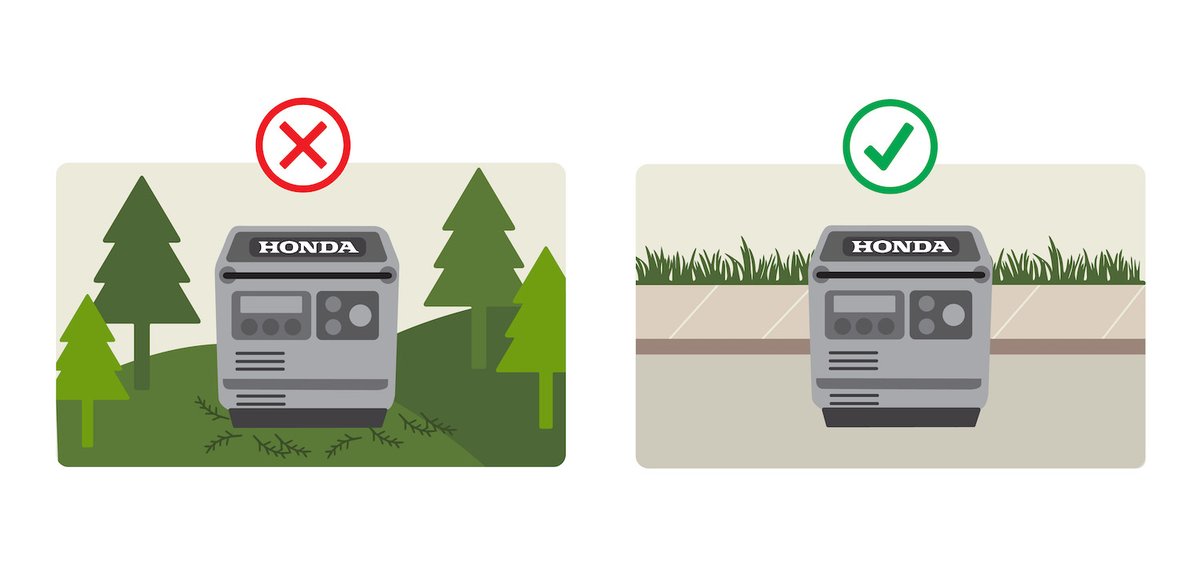
- Ensure adequate clearance around the generator for proper ventilation and to prevent heat buildup.
- Consider wind direction when positioning your generator to carry exhaust away.
Electrical Safety: Preventing Shocks and Fires
Generators produce electricity, and electricity demands respect.
Grounding: Essential for Safety
Consult your generator's manual regarding grounding. Many smaller inverter generators with floating neutral may not require external grounding if not connected to a transfer switch or a specific grounding system. However, if your generator has a bonded neutral (common on larger units) or is connected to a transfer switch, proper grounding with a grounding rod and cable is crucial to prevent electrical shock. Always follow the manufacturer's recommendations and local electrical codes.
Overload Protection: Know Your Limits
Generators have a maximum wattage output. Exceeding this "overloads" the generator, which can trip its circuit breakers (a good thing!) or, worse, damage the unit or the connected appliances. Understand your generator's rated running watts and surge watts, and never try to power more than it can safely handle.
Wet Conditions: Shielding from the Storm
Electricity and water are a dangerous combination.
- Never operate a generator in standing water, heavy rain, or snow.
- If you must operate in light precipitation, ensure it is covered by a purpose-built, open-sided canopy or shelter that allows for maximum ventilation while keeping the unit dry. Do not operate it under a solid, enclosed structure.
- Keep all electrical connections, including extension cords and plugs, dry and off the ground.
Backfeeding: The Deadly Practice
As mentioned with transfer switches, backfeeding generator power into your home's electrical system without a proper transfer switch is extremely dangerous. It creates a direct path for power to flow from your generator, through your home's wiring, and out into the utility grid. This can electrocute utility line workers who believe the power lines are dead. It's illegal, incredibly risky, and a leading cause of generator-related fatalities.
Fuel Handling Safety: Fire and Spills
Gasoline is highly flammable, and proper handling is paramount.
Storage: Keeping Fuel Safe
- Store gasoline in approved, clearly labeled containers in a cool, well-ventilated area, away from living spaces and direct sunlight.
- Keep fuel away from ignition sources such as pilot lights, sparks, or anything that could create a flame.
- Never store fuel indoors. A detached shed or garage is acceptable, but ensure good ventilation.
- Only keep a minimum amount of fuel on hand – just enough for immediate needs.
Refueling: A Cool, Outdoor Task
- Always turn off the generator and allow it to cool down completely before refueling. Hot engine parts can ignite gasoline vapors.
- Refuel outdoors, away from any open flames or ignition sources.
- Do not smoke while refueling.
- Use a funnel to prevent spills.
- Never refuel while the generator is running.
Spill Management: Act Quickly
If you spill fuel, clean it up immediately with absorbent materials. Dispose of contaminated materials safely and away from any heat sources. Wait for all fumes to dissipate before restarting the generator.
Fire Prevention & Other Hazards
Beyond CO and electrical risks, consider these:
- Clearance: Maintain at least 3-5 feet of clear space around your generator at all times to prevent heat buildup and ensure proper airflow.
- Spark Arrestor: Regularly check and clean your muffler and its spark arrestor. A clogged arrestor can reduce performance; a damaged one can allow hot sparks to escape.
- Fire Extinguisher: Keep a fully charged, ABC-rated fire extinguisher readily accessible whenever your generator is in use.
- Hearing Protection: Generators, even quiet inverters, produce noise. If you're working near a running generator for extended periods, wear hearing protection.
Pre-Use Checklist: Gearing Up for Success
Before you even think about starting your inverter generator, run through this quick checklist. Preparedness is your best defense.
- Read the Manual: Yes, really. Every generator is different. Understand its specific operation, maintenance, and safety instructions.
- Location Scout: Is your generator at least 20 feet from your home, with exhaust pointed away, and clear of all vents, windows, and doors? Is it on a stable, level surface?
- Fuel Check: Is the fuel fresh? Have you added stabilizer if needed? Is the tank full, and are there extra fuel cans ready (stored safely)?
- Oil Level: Check the engine oil. Is it at the proper level? Is it the correct inverter generator oil for your unit?
- CO Detectors: Are your carbon monoxide detectors inside your home or RV working and properly placed?
- Cables & Connections: Are all appropriate generator cables and extension cords in good condition, properly rated, and securely connected? Is your manual transfer switch (if used) correctly engaged?
- Surge Protection: If powering sensitive electronics, are they plugged into a surge protector?
- Fire Safety: Is a fire extinguisher nearby?
- Clearance: Is the area around the generator clear of debris and flammable materials?
- Security: Is your generator secured from theft with a lock or chain if left unattended?
Maintenance for Longevity: Keeping Your Inverter Purring
Your inverter generator is an investment. Regular, proactive maintenance ensures it will start when you need it and perform reliably for years to come.
Routine Oil Changes
This cannot be stressed enough. Small engines work hard, and their oil breaks down. Refer to your manual for the recommended oil change intervals (often after the first 5-10 hours, then every 50-100 hours or annually). Always use the recommended inverter generator oil and ensure you dispose of used oil responsibly.
Air Filter Inspection and Cleaning/Replacement
A dirty air filter chokes your engine, reducing efficiency and performance. Inspect it before each use and clean or replace it as recommended. If you operate in dusty conditions, more frequent checks are needed.
Spark Plug Check and Replacement
Inspect the spark plug for fouling or wear annually or every 100 hours. A clean, correctly gapped spark plug ensures easy starting and efficient combustion. Keep a spare on hand.
Fuel System Care
- Fuel Stabilizer: As discussed, use fuel stabilizer for any storage period longer than a month.
- Drain Fuel: For extended storage (over 3-6 months), it's best to completely drain the fuel tank and carburetor to prevent stale fuel issues. Run the generator until it runs out of fuel to ensure the carburetor is empty.
- Check Fuel Lines: Periodically inspect fuel lines for cracks, wear, or leaks.
General Inspection
Before each use and at least once a year:
- Check all fasteners for tightness.
- Inspect all wiring for fraying or damage.
- Look for any fluid leaks.
- Clean the exterior of the generator, removing dirt and debris from cooling fins.
- Inspect the muffler and spark arrestor for blockages or damage.
Common Misconceptions & Smart Answers
Let's clear up some common misunderstandings about inverter generators and their accessories and safety.
"My small inverter generator is quiet and runs clean, so it's safe indoors."
Myth busted! While inverter generators are quieter and produce cleaner power than conventional generators, they still produce carbon monoxide. Any internal combustion engine running indoors is a deadly hazard. Regardless of size, always operate generators outdoors, far from any structure. CO is an insidious, silent killer.
"I can just plug my generator into a wall outlet in my house to power everything."
Absolutely not! This is known as backfeeding and is incredibly dangerous. It can electrocute utility workers and damage your generator and home wiring. The only safe way to connect a generator to your home's electrical system is through a properly installed manual transfer switch or an approved interlock kit installed by a qualified electrician.
"All extension cords are pretty much the same."
False. The gauge (thickness) and length of an extension cord directly impact its ability to safely carry electrical current. Using an undersized or too-long cord for a given load can cause voltage drop (reducing appliance performance), overheating, and even fire. Always use heavy-duty, outdoor-rated cords with the correct gauge for your application, and keep lengths as short as necessary. If you're connecting to your home, use appropriate generator cables designed for the task.
"I only use my generator once a year, so it doesn't need much maintenance."
Wrong. Infrequent use can be harder on a generator than regular use, especially when it comes to fuel degradation. Old, stale fuel is a leading cause of hard-starting or non-starting generators. Regular oil changes with quality inverter generator oil, fuel stabilization, and periodic running (e.g., once a month for 20-30 minutes under a light load) are crucial, even for rarely used units.
"A generator cover means I can run it in heavy rain."
No. While a protective cover helps shield your generator from light moisture and dust, it's not designed for operation in heavy rain or severe weather. Operating in wet conditions poses a serious electrical shock hazard. If continuous power is needed in adverse weather, you must use an open-sided, purpose-built generator enclosure or canopy that provides protection from precipitation while ensuring ample airflow and exhaust ventilation.
Making Smart Choices: What to Look For When Buying Accessories
When you're ready to enhance your inverter generator setup, a thoughtful approach to purchasing accessories will pay dividends.
- Compatibility is Key: Always verify that an accessory is compatible with your specific inverter generator model. Parallel kits, wheel kits, and covers are often model-specific.
- Quality and Certification: For electrical accessories like extension cords, surge protectors, and appropriate generator cables, look for UL (Underwriters Laboratories) or other recognized safety certifications. For mechanical parts, prioritize reputable brands known for durability.
- Consider Your Use Case: Are you primarily using your generator for camping, RVing, tailgating, or home backup?
- Camping/Rving: Focus on portability (wheel kit), extended run time (external fuel tank), and quiet operation (check the muffler, but inverters are usually quiet already).
- Home Backup: Prioritize a manual transfer switch, quality generator cables, and a reliable carbon monoxide detector system. A parallel kit might be beneficial for powering more home circuits.
- Job Site/Heavy Use: Durability, theft deterrence (security cables), and heavy-duty cords are paramount.
- Don't Skimp on Safety Gear: Accessories like CO detectors and fire extinguishers are not optional add-ons; they are essential life-saving devices. Always invest in high-quality versions.
- Read Reviews: See what other owners are saying about accessories, especially concerning ease of use, durability, and actual performance.
Power Up Safely and Smartly
Your inverter generator is an incredibly useful tool, offering independence and convenience during power outages or remote adventures. But its true value is realized only when paired with the right accessories and, most critically, an unwavering commitment to safety. By understanding the tools available to you—from a parallel kit that boosts power to a manual transfer switch that ensures safe home integration—you empower yourself to get the most out of your investment.
Remember, the responsibility for safe operation rests with you. Always prioritize carbon monoxide safety, follow proper electrical and fuel handling procedures, and maintain your equipment diligently with items like quality inverter generator oil and a good protective cover.
Take the time to assess your needs, gather the right gear, and educate yourself on best practices. This preparedness won't just keep your inverter generator running efficiently; it will ensure that you, your family, and your property remain safe, allowing you to enjoy the benefits of portable power with complete peace of mind.
Ready to get your setup optimized? Explore the best options for your needs and ensure you're fully equipped for any situation.
Shop inverter generators and all the essential accessories today.